
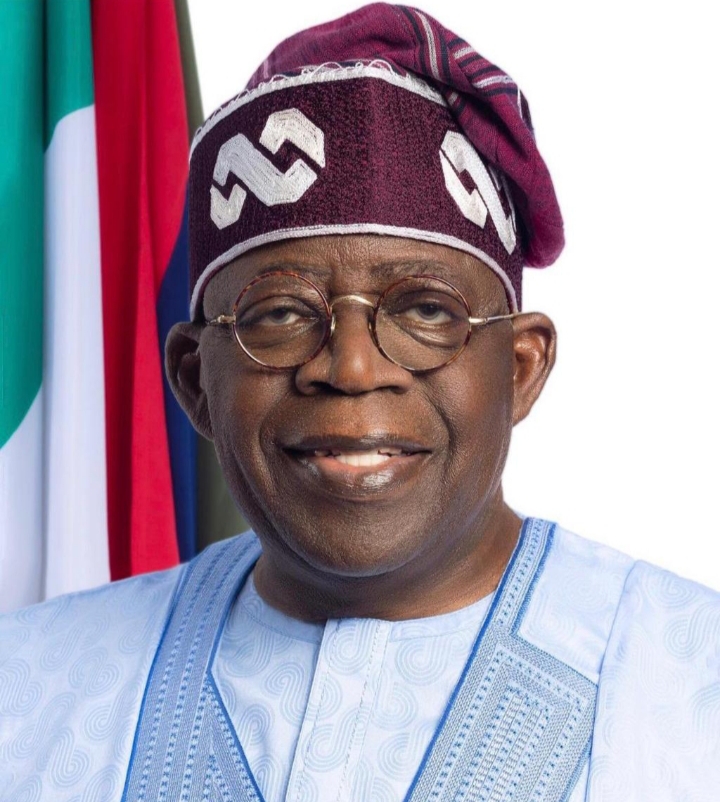
The debate over President Bola Ahmed Tinubu’s second-term bid is becoming increasingly prominent as Nigeria moves closer to the 2027 general elections.
With political parties, supporters, opposition figures and interest groups already positioning themselves ahead of the election, Nigerians are beginning to ask an important question: Does President Tinubu deserve another four years in office?
For residents of Obubra, Cross River State, and other parts of Nigeria, the answer may ultimately depend on how voters assess the administration’s performance, particularly in areas such as the economy, security, infrastructure, employment and the cost of living.
Tinubu’s 2027 ambition
President Tinubu and the ruling All Progressives Congress (APC) are already at the centre of discussions surrounding the 2027 presidential election. The APC has backed Tinubu’s bid for another term, while opposition figures are preparing to challenge the ruling party.
The political debate is no longer simply about whether Tinubu will contest. Increasingly, attention is turning to whether Nigerians will support his bid and what the opposition will present as an alternative.
Recent political discussions have also focused on whether Tinubu should participate directly in presidential debates and explain his record and plans to Nigerians. Opposition figures, including Peter Obi and Atiku Abubakar, have been calling for a more direct contest of ideas ahead of the election.
The biggest question: Has Tinubu's administration delivered?
For many Nigerians, the 2027 election will be an opportunity to judge the impact of the policies introduced since Tinubu became president.
His administration has defended its economic reforms, including the removal of the petrol subsidy and other measures aimed at restructuring Nigeria's economy.
Tinubu has continued to argue that his reforms are producing long-term benefits, while critics maintain that many Nigerians are still struggling with high living costs and economic hardship.
The disagreement is likely to remain one of the biggest issues in the 2027 campaign. Recent reactions to the President's claim that the North has been the biggest beneficiary of his reforms show just how divided public opinion remains over the impact of his policies.
What does Tinubu's second term mean for Obubra?
For people in Obubra, the 2027 presidential election is not just a national political contest. Federal policies have a direct impact on everyday life in the local government.
Issues such as the cost of food, fuel prices, electricity, roads, agriculture, education, healthcare, youth employment and security are all connected to government policies at the federal level.
This means voters in Obubra will have their own questions to ask every presidential candidate.
What has changed since 2023?
Have economic reforms improved living conditions?
What has been done to create opportunities for young Nigerians?
How has the government addressed insecurity?
What plans are available for rural communities and farmers?
These are the issues that could influence how many voters in Obubra and across Cross River State approach the 2027 election.
Cross River is already part of the conversation
The political contest is also becoming significant in Cross River State. APC lawmakers from Cross River previously endorsed President Tinubu and Governor Bassey Otu for second terms, demonstrating the level of support for the ruling party within the state's political structure.
However, an endorsement by political leaders does not automatically determine how voters will vote.
Ultimately, residents of Obubra and other communities across Cross River will have the opportunity to make their own decisions at the ballot box.
What should Nigerians expect?
As 2027 approaches, Nigerians can expect more political endorsements, campaign messages, debates and discussions about the performance of the Tinubu administration.
The opposition is likely to focus heavily on the cost of living, economic hardship, unemployment and other areas where voters remain dissatisfied.
The APC, meanwhile, is expected to campaign on continuity and the argument that Tinubu's reforms need more time to produce their full results.
That makes the 2027 election more than a simple contest between political parties. It will also be a referendum of sorts on the direction Nigeria has taken since 2023.
The decision belongs to Nigerians
Whether Tinubu deserves a second term is ultimately a question for Nigerian voters.
For residents of Obubra, the most important consideration should be how each candidate's policies affect ordinary people and what practical solutions they offer for the challenges facing communities.
As political activities increase, voters should look beyond slogans and endorsements and pay attention to policies, records, programmes and credible plans for the future.
The 2027 presidential election is still ahead, but the debate has already begun.
And for Obubra, Cross River and the rest of Nigeria, the question is becoming clearer:
Should President Bola Ahmed Tinubu be given another four years to continue his reforms, or is it time for a new direction?
The answer will ultimately come from the Nigerian electorate.